

Every photo has a story frozen inside it — the wind about to catch a scarf, the wave about to crash, the smile about to widen. For years, that story stayed frozen, no matter how much you wished it would move. Now, with image to video technology, that frozen moment can finally play out.
Dreamina, and its newest and most advanced video generation model, Seedance 2.5, are letting anyone bring a still image to life as a short, animated story — no animation degree required.
The story hiding inside a single frame
A photograph captures a moment, but a story needs before and after. What happened right before the shutter clicked? What happens the second after? Animated storytelling fills in those gaps — a leaf mid-fall keeps falling, a candle keeps flickering, a character’s hair keeps drifting in the breeze. It’s a small shift that makes an image feel less like a memory and more like a scene from something bigger.
Why animate instead of just editing a photo
Editing a photo can sharpen it, recolor it, or reframe it — but it can’t give it a pulse. Animation adds:
- A sense of time passing, which pulls viewers in longer
- Emotional weight, since movement mimics real life more closely than a static frame
- Shareability, since moving content tends to travel further on social feeds than stills
Say hello to Dreamina
Dreamina is the platform making this leap surprisingly approachable. Instead of learning frame-by-frame animation software, you simply hand Dreamina a photo and a description of the motion you’re imagining, and it handles the technical heavy lifting. It’s built for storytellers first, technicians second.
Bringing your image to life: a 3-step storytelling journey with Dreamina
Step 1: Upload your image and set the scene
Sign in to Dreamina and open the “AI Video” section. Click “Add reference image” to upload your photo, then write a prompt describing the story you want it to tell.
For a 30-second clip, try something like: Using the rowboat and shoreline from the reference image, generate a 30-second animated story: gentle ripples spreading across the lake, mist slowly drifting past the boat, the sky shifting from sunset orange to deep dusk blue, a few birds crossing the horizon in the final seconds.
Step 2: Let Seedance 2.5 do the storytelling
With your image and prompt ready, select the Seedance 2.5 model for generation. Pick your video length, then choose an aspect ratio that fits where the story will live — 16:9 for YouTube, 9:16 for TikTok or Reels. Click Dreamina’s generate icon and let it process for a few seconds.
Step 3: Refine the mood and share it
Before exporting, use Dreamina’s editing tools to shape the final feel. Upscale the clip for crisper detail, or add a generated soundtrack to deepen the atmosphere. Once it feels complete, export it and share your animated story wherever your audience is waiting.
Powering the magic: inside Seedance 2.5
Seedance 2.5 isn’t just a video generator — it’s the engine that makes animated storytelling actually convincing, frame after frame.
Longer scenes, fuller stories
Single clips now stretch up to 30 seconds, up from the previous 15-second limit, and an “Ultra-long” beta mode extends generation all the way to 180 seconds — enough room for a story to actually breathe.
Smarter, richer references
The model reads more than just a plain photo. It can interpret green screen footage and white model (blockout) references, which helps it understand complex movement and positioning far more accurately than a text prompt alone ever could.
Cleaner, more natural motion
Seedance 2.5 significantly reduces that telltale “AI look,” resolves duplicate-person glitches, and keeps faces and movement consistent across the whole clip — crucial when you’re trying to make a still image feel like a believable moving scene rather than a glitchy loop.
Precise creative control
Local editing lets you remove or adjust specific elements in a frame without regenerating the entire clip, so small creative changes stay small.
Choosing the right photo for animation
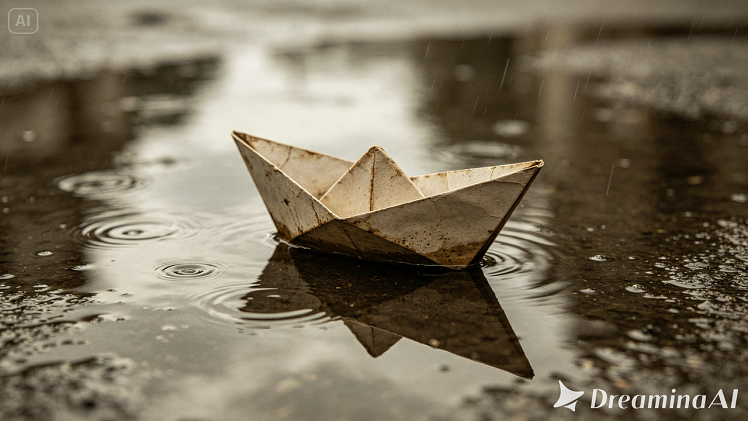
Not every photo animates equally well. Images with a clear subject, natural light, and some implied motion — a flag mid-flutter, water mid-ripple — tend to produce the most believable results. Busy, cluttered frames often confuse the motion and dilute the story.
Styles worth experimenting with
Animated stories don’t have to look one way. A few directions worth trying:
- Slow, dreamlike motion for nostalgic or emotional photos
- Quick, punchy movement for product or lifestyle content
- Subtle ambient motion — wind, light, water — for a cinematic, understated feel
Where these animated stories shine
Short animated pieces from still images work beautifully as social posts, memory videos, brand storytelling clips, and even personal keepsakes turned into shareable moments. A single old photograph, animated well, can carry more emotional weight online than a dozen new ones.
Final thought
A still image only shows you one heartbeat of a moment. With Dreamina and the animation power behind Seedance 2.5, that single heartbeat can turn into a full, moving story — one that keeps unfolding long after the photo was taken.