
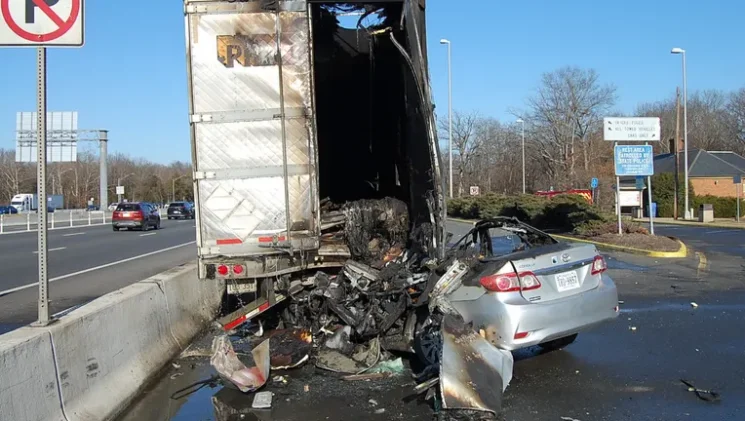
A truck crash can change a family’s life in seconds. Large trucks can cause severe harm because of their size, weight, and force. After a wreck, one key question often comes up: Who is legally responsible? Truck accident cases can involve more than the truck driver. The trucking company, cargo loader, owner, or another party may share fault. Each case turns on its own facts and proof. For injured people in Richmond, knowing how liability is reviewed can make the next steps less confusing.
Start With the Cause of the Crash
Liability usually begins with the cause of the wreck. A claim may focus on careless driving, unsafe truck care, or another act that led to the crash. Common causes may include:
- Speeding or unsafe lane changes
- Distracted or tired driving
- Driving under the influence
- Poor truck upkeep
- Bad brakes or worn tires
- Improper cargo loading
- Failure to follow traffic rules
- Unsafe driving in bad weather
Evidence can help show what happened. Police reports, photos, witness accounts, truck data, and medical records may all matter. A truck crash scene can change quickly. Skid marks fade. Vehicles get repaired. Electronic records may not stay available forever. That makes early evidence work important.
The Driver May Be Liable
The truck driver may face a claim when their conduct caused the wreck. For example, a driver who speeds through a busy Richmond road may create a serious danger. The same may apply when a driver follows too closely or changes lanes without care. Fatigue can also matter. Long hours behind the wheel can affect focus and reaction time. A review of driver logs and other records may help show whether fatigue played a role. The driver’s training and driving history may also become relevant. Still, a driver’s mistake does not always mean the driver is the only party involved.
The Trucking Company May Share Responsibility
This is where truck claims can become more complex. A trucking company may face liability based on the conduct of its driver or its own acts. Questions may include whether the company hired a safe driver, provided proper training, or kept the truck in safe working order. Maintenance records can be useful here. So can inspection records and company policies. Virginia law also says that holding a motor carrier certificate or permit does not remove liability for negligence. That means a trucking company cannot avoid a negligence claim simply because it follows certain state permit rules.
What About the Truck Owner?
The truck owner may be a different person or company from the driver’s employer. That distinction can matter. A trucking business may lease trucks from another company. A truck may also belong to a separate owner. The legal question is not simply, “Who owned the truck?” Instead, the case may look at the owner’s role, the condition of the vehicle, and any agreement between the parties. If a mechanical failure helped cause the wreck, records about repairs and inspections may become key evidence.
Cargo Problems Can Cause Serious Crashes
Cargo must be loaded and secured with care. A shift in cargo can affect how a truck handles. An overloaded trailer can also create risks. The added weight may affect braking, steering, and control. If poor loading helped cause the crash, the party that loaded or managed the cargo may need to be examined. That can add another layer to a truck accident claim.
Evidence Often Tells the Story
Truck accident cases can involve a large amount of evidence. Some evidence comes from the crash scene. Other records may come from the trucking company. Useful evidence may include:
- Police and crash reports
- Photos and video from the scene
- Witness statements
- Medical records and bills
- Driver logs
- Vehicle inspection records
- Maintenance records
- Cargo records
- Employment and training records
- Electronic truck data
- Available traffic or security video
Not every case needs all these records. The right evidence depends on what caused the crash. The goal is to connect the facts. What happened before impact? What caused the truck to lose control? Who had a duty to act with care? Did someone’s conduct help cause the injury?
Virginia’s Contributory Negligence Rule Matters
Virginia follows a contributory negligence rule in many personal injury cases. This can make fault issues especially important. If an injured person is found to have contributed to the accident through negligence, that finding can affect the ability to recover damages. This makes the facts surrounding the crash very important. Statements made after the wreck can also matter. For that reason, injured people should be careful when speaking with an insurer. An early statement may later be used to argue that the injured person helped cause the crash.
Severe Injuries Can Change the Claim
Truck crashes can cause serious injuries, including burns, spinal cord injuries, brain injuries, broken bones, and other lasting harm. A claim may seek damages tied to medical care, lost income, property damage, and other losses allowed by law. Some injuries also need long-term care. A spinal cord injury, for example, may affect work, mobility, and daily life for years. The full effect of an injury may not be clear right away. Medical records and expert opinions can help show the likely long-term impact.
Virginia Sets Time Limits for Injury Claims
Time matters after a Richmond truck accident. Under Virginia Code § 8.01-243, most personal injury actions must be brought within two years after the claim accrues. Wrongful death claims have separate rules. Virginia law generally provides a two-year period after the injured person’s death for a wrongful death action. These rules can have exceptions. The exact deadline depends on the facts and parties involved. That is one reason it helps to review a truck accident claim early.
When Should You Speak With a Richmond Truck Accident Lawyer?
You don’t need to know who is at fault before seeking legal advice. A Richmond Truck Accident Lawyer can review the crash facts and help identify the parties that may have legal responsibility. Price Benowitz Accident Injury Lawyers, LLP handles motor vehicle accident claims involving cars, trucks, motorcycles, bicycles, buses, and pedestrians. The firm also represents people dealing with catastrophic injuries, including burn and spinal cord injuries. Truck cases often require careful review of several records and parties. Getting that review early can help protect important evidence and clarify your legal options. A serious crash can leave you dealing with pain, bills, missed work, and uncertainty. You shouldn’t have to guess what comes next.
FAQs About Richmond Truck Accident Liability
1. Who is responsible for a truck accident in Richmond?
The truck driver may be accountable, but other people may also bear blame. A claim may involve the trucking firm, truck owner, cargo loader, maintenance provider or another person depending on the facts. The evidence must establish how the actions of each person contributed to the crash.
2. Is the trucking firm accountable for the behavior of its driver?
Yes, a trucking business can be held liable for the driver’s acts or for the company’s own negligence. The facts count. They could look at all hiring, training, supervision, vehicle maintenance and corporate regulations in relation to the crash.
3. What evidence can be used to prove liability in truck accidents?
Crash reports, images, witness accounts, medical records, truck data, driver logs, and maintenance records might all be helpful. Video footage, when accessible, can also be useful. The important part is to show what happened and how that activity caused the injuries.
4. What if I might have caused the truck accident?
This matter should be properly scrutinized under the laws of Virginia. Virginia has a contributory negligence provision that might be relevant in a personal injury case. First, the facts should be investigated to see what effect such conduct may have.
5. How long do I have to bring a lawsuit for a Richmond truck accident?
In Virginia, the statute of limitations for most personal injury claims is two years from the date the cause of action accrues. Other claims may be subject to other rules. Wrongful death claims also have time frames. Talking to a lawyer early may help you establish the deadline that pertains to your case.