

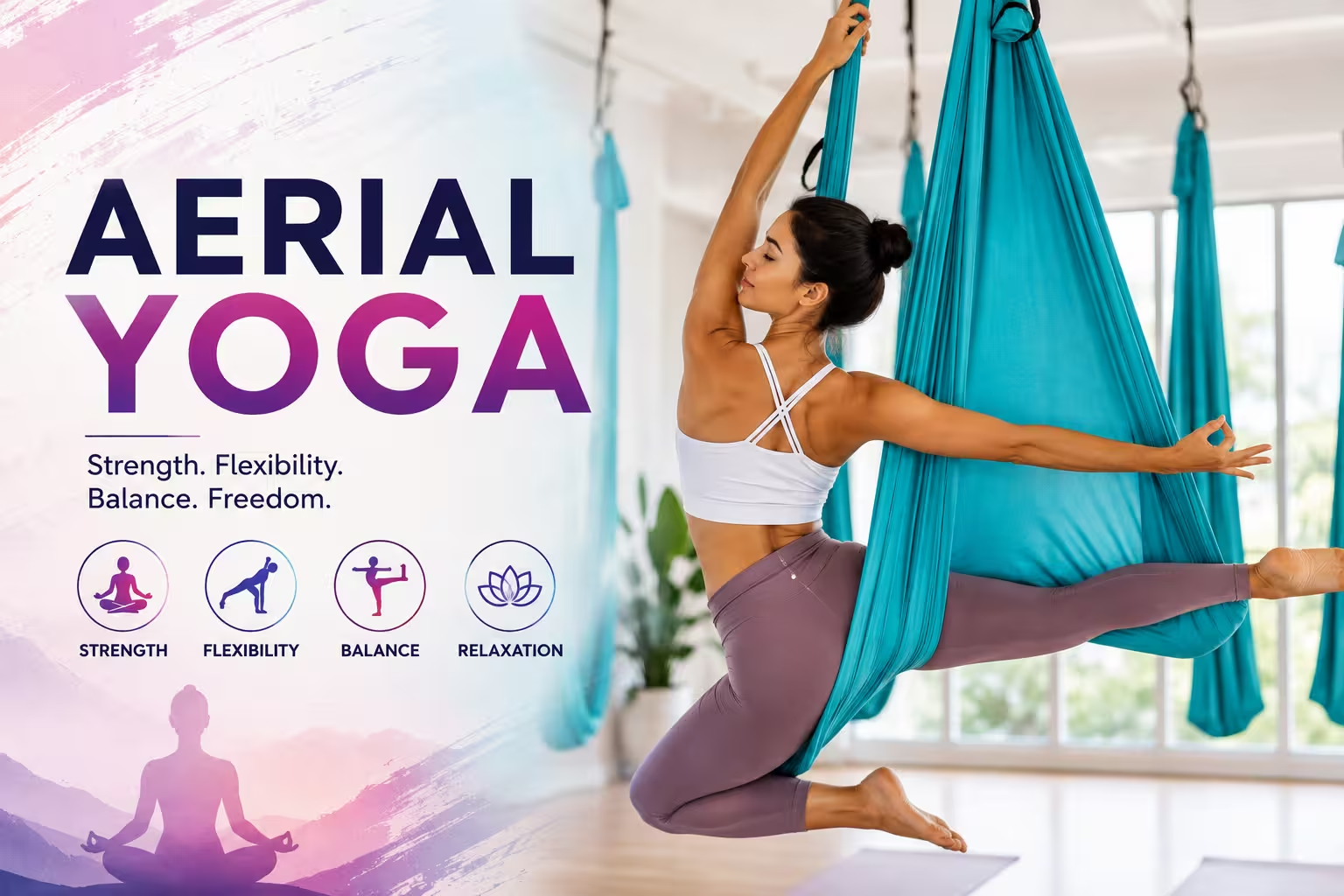
Aerial yoga is a modern approach to traditional yoga that combines familiar yoga postures with the support of a suspended fabric hammock. Instead of performing every movement on a traditional yoga mat, practitioners use the hammock to lift, stretch, balance, and sometimes partially or completely suspend the body.
The practice has become increasingly popular among people looking for a more engaging way to improve flexibility, strength, balance, mobility, and relaxation. The hammock can provide support during challenging positions while also creating opportunities for movements that are difficult to perform on the floor.
Unlike ordinary yoga, aerial yoga introduces an element of movement and suspension. However, it still focuses on important principles such as controlled breathing, body awareness, concentration, alignment, and mindful movement.
What Is Aerial Yoga and How Does It Work?
Aerial yoga is a form of yoga performed with a strong fabric hammock suspended from a secure overhead point. The hammock supports part of the practitioner’s body weight, allowing certain poses to be performed with greater freedom. Depending on the exercise, the practitioner may remain close to the floor or become partially suspended in the air.
The hammock works as both a support tool and movement apparatus. It can help beginners maintain balance, assist with stretching, and make certain yoga positions more accessible. At the same time, holding and controlling the body against gravity can create a meaningful strength challenge.
A typical class may include breathing exercises, warm-ups, standing movements, hammock-supported stretches, core exercises, inversions, and a relaxation period. The exact sequence depends on the instructor and the style of aerial yoga being taught.
Key Benefits of Aerial Yoga for the Body
One of the biggest reasons people try aerial yoga is its combination of physical exercise and relaxation. Regular practice can contribute to better flexibility, muscular endurance, balance, coordination, and body awareness. The hammock can also make stretching feel different because it allows the body to move through angles that may be difficult on a standard mat.
Another potential advantage is that aerial movements require the body to stabilize itself while interacting with the hammock. This can engage the core, shoulders, arms, legs, and back. Some poses also encourage controlled spinal movement and gentle traction-like sensations.
| Potential Benefit | How Aerial Yoga May Help |
|---|---|
| Flexibility | Supported stretching can increase movement options |
| Balance | Hammock movements challenge stability |
| Core strength | Suspended positions require body control |
| Coordination | Movements combine hands, legs, and breathing |
| Relaxation | Slow sequences can encourage mindful breathing |
| Body awareness | Suspension makes alignment more noticeable |
The benefits depend on class intensity, consistency, technique, and individual fitness level.
Aerial Yoga vs Traditional Yoga: What Makes It Different?
Traditional yoga is generally practiced on a mat, while aerial yoga introduces a suspended hammock into the practice. This single change can significantly alter how familiar postures feel. The hammock may provide additional support in one position while making another movement considerably more challenging.
For example, a supported forward stretch can feel more accessible because the fabric helps distribute body weight. In contrast, suspended core exercises may require substantial muscular control because the body is no longer completely supported by the floor.
The mental experience can also be different. Being elevated from the ground may initially feel unusual, particularly for beginners. Over time, learning to trust the hammock and control movement can improve confidence, concentration, and body awareness.
Traditional yoga remains an excellent option for developing strength, mobility, breathing control, and mindfulness. Aerial yoga is not necessarily better than traditional yoga; it simply offers another way to explore similar principles through suspension and movement.
How Aerial Yoga Can Improve Flexibility and Mobility
Flexibility is one of the most noticeable areas that aerial yoga can target. The hammock can support the body while allowing practitioners to explore stretches gradually. Because some of the body’s weight is transferred to the fabric, certain positions may feel less restrictive than they do on a hard floor.
Mobility is slightly different from flexibility because it involves the ability to actively control movement through a usable range of motion. Aerial yoga can combine stretching with controlled movements, requiring muscles to stabilize the body while joints move.
For example, a practitioner might use the hammock to support a hip-opening movement before actively controlling the legs back toward the starting position. This combination can develop both range of motion and movement control.
However, flexibility should not be forced. Beginners should avoid aggressively pulling themselves into deep positions. Gradual progression, proper breathing, and controlled movement are more useful than trying to achieve an impressive pose immediately.
Building Strength Through Suspended Yoga Movements
Although aerial yoga may look graceful and effortless, many movements require significant muscular engagement. The hammock changes the body’s relationship with gravity, meaning muscles often have to work to maintain stability and positioning.
Depending on the class, practitioners may engage the abdominal muscles, shoulders, arms, legs, glutes, and back. Suspended planks, controlled transitions, hammock squats, and inversion preparations can create different strength challenges.
Aerial yoga is particularly interesting for people who become bored with repetitive gym routines. Instead of simply lifting weights or using machines, practitioners develop strength through bodyweight resistance, balance, coordination, and controlled movement.
The level of difficulty can vary dramatically. A beginner class may emphasize supported positions and basic movements, while advanced sessions can include demanding inversions and complex transitions.
For strength development, consistency is important. Practicing occasionally may provide an enjoyable experience, but a structured routine can provide more meaningful progress over time.
Aerial Yoga for Balance, Coordination, and Body Awareness
Balance is another important component of aerial yoga. The hammock moves with the body, so practitioners must learn how to control their center of gravity. Even simple movements can require concentration when the fabric shifts underneath or around the body.
This makes aerial yoga useful for developing proprioception, which refers to the body’s awareness of its position and movement. Practitioners gradually learn how much pressure to apply, where to place their hands and feet, and how to shift their weight safely.
Coordination also becomes important because many aerial sequences involve several actions at once. A person may need to grip the fabric, move one leg, maintain abdominal engagement, and coordinate breathing simultaneously.
These skills can make ordinary movement feel more controlled. However, balance should be developed progressively. Beginners should start with positions close to the ground and follow the instructor’s demonstrations rather than attempting advanced movements independently.
Can Aerial Yoga Help With Stress and Relaxation?
Aerial yoga is not only a physical activity. Many classes include breathing exercises, slower movements, meditation, and relaxation. These elements can make the practice a useful way to create a mental break from everyday routines.
The hammock itself can contribute to the experience. During certain supported relaxation positions, the fabric gently holds the body, allowing the practitioner to focus on breathing rather than constantly maintaining balance.
Slow breathing and mindful movement may help people become more aware of physical tension. Instead of rushing through exercises, practitioners are encouraged to pay attention to how the body feels and how movement changes with each breath.
The psychological experience will naturally differ from person to person. Aerial yoga should not be considered a replacement for professional treatment for anxiety, depression, or other health conditions. Nevertheless, as a form of mindful physical activity, it can become a relaxing part of a balanced lifestyle.
What to Expect During Your First Aerial Yoga Class
A first aerial yoga class can feel exciting and slightly intimidating. The hammock may look unfamiliar, and seeing experienced students perform inversions can make beginners wonder whether they need advanced flexibility or athletic ability.
In reality, beginner classes are generally designed around basic movements. The instructor should explain how to hold the fabric, enter and exit positions, adjust the hammock, and distribute body weight appropriately.
A typical beginner session may look like this:
| Class Stage | Common Activity |
|---|---|
| Warm-up | Gentle mobility and breathing |
| Introduction | Learning basic hammock grips |
| Main practice | Supported yoga poses and movements |
| Strength work | Core and bodyweight exercises |
| Stretching | Supported flexibility work |
| Cool-down | Gentle movement and breathing |
| Relaxation | Resting in the hammock |
Wear comfortable clothing that allows movement without excessive loose fabric. It is also sensible to remove sharp jewelry or accessories that could catch on the hammock.
Is Aerial Yoga Suitable for Beginners?
Aerial yoga for beginners can be an excellent introduction when taught in an appropriate class with properly installed equipment and qualified instruction. You do not need to be extremely flexible, strong, or experienced in traditional yoga before starting.
Beginners should focus on learning the fundamentals rather than copying advanced students. The first goal is to understand how the hammock responds to body weight and movement.
Some people may initially struggle with balance or feel uncomfortable being lifted from the floor. That is completely normal. Confidence usually develops as practitioners become familiar with the equipment.
Choosing the correct class is important. Look for a session specifically labeled beginner aerial yoga or introductory aerial yoga. Inform the instructor about relevant injuries, physical limitations, pregnancy, recent surgery, or medical conditions before participating.
If you have a health condition that could make inversions, pressure, or suspension inappropriate, consult an appropriate healthcare professional before beginning.
Essential Safety Tips for Aerial Yoga
Safety should always be the priority when practicing aerial yoga. Unlike ordinary mat-based yoga, the practice depends on equipment that must support body weight. A properly installed hammock and suitable attachment system are therefore essential.
Never assume that a household ceiling hook, curtain fixture, or improvised attachment point is strong enough. Aerial equipment should be installed according to appropriate manufacturer and professional guidance.
Beginners should also avoid attempting advanced inversions without instruction. Incorrect positioning or an uncontrolled descent can cause injury.
Remember these basic principles:
| Safety Area | Important Practice |
|---|---|
| Equipment | Use properly rated aerial equipment |
| Installation | Ensure secure professional installation |
| Instruction | Learn techniques from a qualified instructor |
| Progression | Start with beginner movements |
| Environment | Maintain adequate clear space |
| Clothing | Avoid items that can catch or tear |
| Body signals | Stop if you experience pain or unusual symptoms |
Pain is not a requirement for progress. If a movement feels unsafe or causes sharp pain, stop and ask the instructor for guidance.
What Should You Wear for Aerial Yoga?
Choosing suitable clothing can make aerial yoga considerably more comfortable. Since the fabric may contact the legs, hips, waist, shoulders, and back, clothing should provide reasonable coverage and allow unrestricted movement.
Many practitioners prefer fitted leggings, athletic pants, or comfortable stretchable clothing. Tops should remain secure during inversions and transitions. Extremely loose shirts can shift when the body becomes inverted.
Avoid clothing with large zippers, exposed metal parts, rough decorations, or sharp accessories because these may damage the hammock fabric. Jewelry is usually better removed before class.
Bare feet are commonly preferred because they provide better awareness and control during many movements. However, individual studios may have their own requirements.
The most important rule is simple: choose clothing that allows you to move freely while keeping you comfortable and secure.
How Often Should You Practice Aerial Yoga?
The ideal frequency of aerial yoga practice depends on your fitness level, goals, schedule, and recovery needs. Someone completely new to the practice may benefit from beginning with one or two sessions per week rather than immediately training every day.
This allows the body to become accustomed to new movement patterns and muscular demands. As coordination improves, some people may gradually increase their practice frequency.
A simple progression could look like this:
| Experience Level | Suggested Approach |
|---|---|
| Complete beginner | 1 session weekly |
| Developing practitioner | 1–2 sessions weekly |
| Regular practitioner | 2–3 sessions weekly |
| Advanced practitioner | Structured practice based on recovery |
More practice does not automatically mean better results. Recovery is part of training, particularly when sessions involve significant strength work or unfamiliar movements.
Combining aerial yoga with walking, resistance training, traditional yoga, or other enjoyable physical activities can create a more balanced fitness routine.
Aerial Yoga Mistakes Beginners Should Avoid
One common mistake is trying to perform advanced poses too quickly. Social media can make complex aerial movements appear easy because experienced practitioners have spent considerable time developing strength, flexibility, and technique.
Another mistake is ignoring equipment instructions. The hammock is a functional piece of exercise equipment, not simply decorative fabric. Its height, attachment system, condition, and weight rating matter.
Beginners may also hold their breath during difficult movements. Maintaining calm, controlled breathing is an important part of yoga and can help prevent unnecessary tension.
Other common mistakes include comparing your progress with other students, forcing stretches, skipping warm-ups, and continuing despite pain.
The safest approach is slow progression with consistent technique. Learning a simple movement correctly is much more valuable than rushing toward an impressive inversion.
Aerial Yoga and Weight Management: What Can You Expect?
Aerial yoga can contribute to an active lifestyle, but it should not be viewed as a magical weight-loss solution. Body weight changes are influenced by overall energy intake, physical activity, sleep, genetics, stress, and many other factors.
Some aerial classes can provide a moderate physical workout, particularly when they include strength-based sequences and continuous movement. Building muscle endurance and becoming more physically active can support overall fitness.
However, the number of calories burned during a class varies considerably. A gentle stretching-focused session will create a different physical demand from an intense aerial fitness class.
For people interested in weight management, aerial yoga can be valuable because enjoyable exercise is easier to maintain consistently. The best activity is often one that you genuinely enjoy and can perform safely over the long term.
A balanced diet, adequate sleep, regular movement, and realistic expectations remain important parts of a healthy lifestyle.
Who Should Be Cautious With Aerial Yoga?
Although many people can enjoy aerial yoga, suspension and inversion may not be appropriate for everyone. Certain medical or physical circumstances require additional caution because the practice can place pressure on different parts of the body or temporarily change body orientation.
People who are pregnant, have recently undergone surgery, experience significant balance problems, or have certain cardiovascular, eye, spinal, or musculoskeletal conditions should seek appropriate professional advice before participating.
The instructor should always be informed about relevant limitations before the class begins. A responsible instructor can then determine whether modifications are appropriate or whether another form of exercise would be safer.
It is important not to diagnose yourself based on general online information. Individual medical circumstances are different, so professional guidance is preferable when there is uncertainty.
Aerial yoga should ultimately be challenging without being reckless. Safety and comfort should always come before performing difficult poses.
How to Choose the Right Aerial Yoga Class
Finding the right aerial yoga class can make a significant difference, especially for beginners. Start by looking for a studio that clearly explains its class levels and provides appropriate aerial equipment.
A beginner-friendly class should prioritize technique, equipment awareness, controlled movement, and gradual progression rather than immediately focusing on complicated tricks.
Before joining, consider asking about instructor experience, class size, equipment inspection, beginner sessions, and what participants should bring. A smaller class may provide more individual attention, which can be particularly useful when learning hammock techniques.
You should also consider the atmosphere. Some classes emphasize traditional yoga principles and relaxation, while others are more fitness-oriented and physically demanding.
Choose a class that matches your experience, physical ability, and personal goals. The best studio is not necessarily the one offering the most impressive poses; it is the one that teaches participants how to progress safely.
Aerial Yoga vs Other Popular Fitness Practices
Aerial yoga sits somewhere between yoga, mobility training, bodyweight exercise, and recreational movement. Its closest comparison is traditional yoga, but the hammock creates a very different physical experience.
Pilates often emphasizes controlled core movements and posture, while strength training focuses more directly on progressive resistance. Traditional yoga typically emphasizes postures, breathing, flexibility, balance, and mindfulness without suspension equipment.
Aerial yoga combines elements from several approaches.
| Activity | Main Focus | Equipment |
|---|---|---|
| Aerial Yoga | Mobility, balance, strength, mindfulness | Hammock |
| Traditional Yoga | Flexibility, strength, mindfulness | Mat |
| Pilates | Core control and stability | Mat or equipment |
| Strength Training | Muscular strength and endurance | Weights/machines |
| Dance | Coordination and movement | Usually minimal |
This makes aerial yoga particularly appealing to people who want exercise to feel creative and different from conventional workouts.
Final Thoughts on Starting Aerial Yoga
Aerial yoga offers a distinctive way to explore movement, flexibility, strength, balance, and relaxation. By combining traditional yoga principles with a suspended hammock, it creates opportunities for supported stretches, controlled strength exercises, balance work, and unique aerial movements.
For beginners, the most important step is choosing an appropriate introductory class and learning the fundamentals before attempting advanced poses. Proper equipment, qualified instruction, gradual progression, and awareness of personal limitations are essential.
The practice does not require extraordinary flexibility or athletic ability. What matters more is patience, consistency, curiosity, and willingness to learn.
Whether your goal is better mobility, improved body awareness, a new fitness challenge, or simply a more enjoyable way to move, aerial yoga can be an interesting addition to an active lifestyle. Start slowly, respect your body’s limits, and allow your skills to develop naturally over time.