

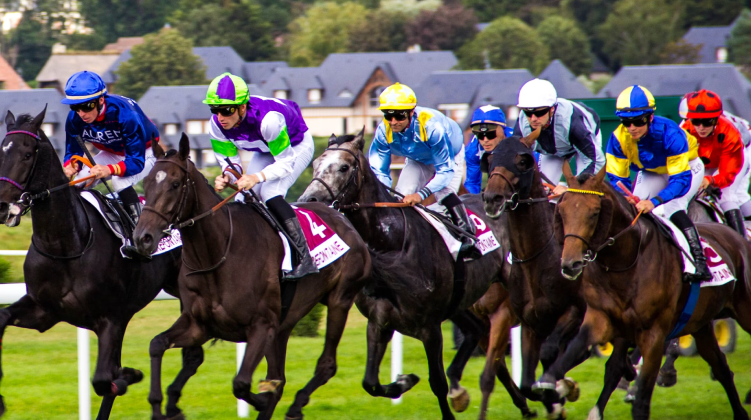
Walk into almost any bar-tabac before 1pm and the sound reaches you first: the clipped voice of a race commentator crackling from a wall-mounted screen, half-drowned by the espresso machine. France counts roughly 12,500 points de vente carrying the PMU license, and a large share of them are ordinary cafés where the coffee and the racing form share the same counter. Nowhere else in Europe has betting stayed this stitched into daily café life.
The habit predates the internet by a century – PMU was founded in 1930 – but it never fully moved online. Younger regulars now split their attention between the zinc counter and a phone screen, checking odds or trying a session on platforms such as casino spinfin while waiting for the next départ. The bar still wins on one thing an app cannot replicate: a room full of people reacting to the same finish line at once.
The Ritual Behind the Zinc Counter
The PMU terminal sits near the till, usually a chunky beige machine that has outlived three generations of smartphones. A regular fills out a paper grid – numbers, combinations, stake – hands over a few euros, and gets back a slip the length of a receipt. Nobody rushes this part; the barman knows most names and which horse someone backed last Tuesday. Race days follow a rhythm too: quiet mid-morning, a lunchtime crowd for the 13h50 at Vincennes, then a second wave around teatime, with the big Sunday cards filling every stool.
Who Fills the Stools by Midday
The crowd skews older but not exclusively. Retirees make up a steady core, arriving with a folded copy of Paris-Turf and a routine that hasn’t changed in decades. Tradespeople on a lunch break form a second wave, placing quick bets between jobs. A smaller but growing group is under forty, drawn less by tradition than by the social pull of watching a race with strangers who actually care about the outcome.
What’s Actually Being Wagered
Simple win bets dominate among casual bettors, but the real money – and the real arguments at the bar – sits in combination bets. The Tiercé asks for the first three horses in order or any order; the Quinté+ pushes that to five horses and pays out far more dramatically when it lands. Stakes at the counter are typically small, often two to five euros, spread across several combinations rather than piled onto one.
| Bet type | What it requires | Typical stake |
| Simple Gagnant | Pick the winner | €1-3 |
| Simple Placé | Pick a top-3 finisher | €1-3 |
| Tiercé | First three, in order or any order | €2-5 |
| Quarté+ | First four, in order or any order | €2-5 |
| Quinté+ | First five, in order or any order | €2-10 |
Payouts on a Quinté+ can run into thousands of euros from a handful of coins, which is exactly why the bar erupts when someone’s grid actually comes through. Losses, by contrast, get shrugged off with a comment about the jockey and a fresh espresso. Regulars swap tips on trainers in form and outsiders worth a small punt, and a decent tip that pays off tends to earn the tipster a free coffee for the rest of the week.
Why the Bar Still Beats the App for Many
An app gives you the odds and the payout in isolation. A bar gives you a dozen opinions on why the favourite is overrated, shouted across the room in the final furlong. For a large slice of PMU’s customer base, that shared tension is the actual product – the bet is almost secondary to the ritual of arguing about it beforehand and celebrating or groaning together afterward.
That said, the network has been shrinking. Roughly 2,000 fewer PMU-licensed cafés operate today than a decade ago, squeezed by rising rents and a generation that increasingly bets from a phone in bed. The counters that survive lean into the theatre of race day, and what keeps them afloat usually comes down to a short list of habits their owners refuse to drop:
- A working paper grid system, not just a digital terminal, for regulars who still fill out slips by hand
- A big enough screen that the back tables can actually read the odds board
- A barman who announces results out loud instead of leaving people to squint at a ticker
- A loyal Sunday crowd built up over years, treated like the asset it is