

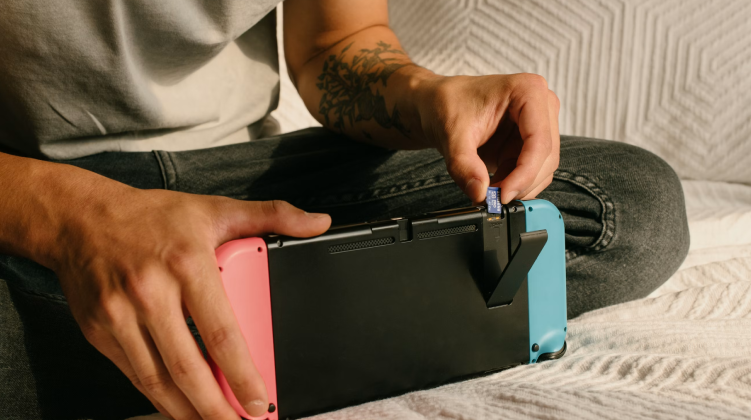
Mobile phones once seemed poised to eclipse dedicated portables, yet a new wave of handheld hardware now attracts audiences that previously ignored cartridge slots and clamshell hinges. Sleek hybrid consoles, retro-inspired micro PCs, and cloud-streaming companions meet lifestyles built around flexible schedules and on-the-go entertainment. The resurgence is not mere nostalgia—it reflects shifts in technology, consumer habits, and content distribution models.
Market trackers connected to slimking casino france note a steady uptick in device sales following every major release season, suggesting that commuters, parents, and even professional creators carve out micro sessions between obligations. Lightweight frames, instant sleep-resume functions, and robust indie catalogues transform idle minutes into meaningful playtime without tethering users to living-room screens.
Hardware Evolution Redefines Expectations
Early handhelds delivered modest eight-bit adventures powered by AA batteries. Modern units boast high-refresh OLED panels, desktop-grade chipsets, and haptic feedback rivaling premium controllers. USB-C charging eliminates proprietary bricks, while expandable storage grants personal curation of libraries instead of relying on single cartridges. These leaps erase the performance gap that once relegated portables to spin-off territory, allowing blockbuster ports and ambitious originals to thrive side by side.
Key Features Driving Adoption
- Dock-to-TV Flexibility
Hybrid docks let one machine serve as both couch console and travel companion, reducing hardware clutter. - Cloud Integration
Wi-Fi and 5G modules stream resource-intensive titles from remote servers, opening catalogues that once demanded high-end rigs. - Ergonomic Customization
Modular grips, adjustable thumb-stick tension, and programmable back buttons cater to diverse hand sizes and play styles. - Battery Management Advances
Intelligent power profiles balance frame rate with longevity, delivering six-plus hours under moderate load. - Accessible Price Tiers
Entry models focus on indie libraries, while premium editions target enthusiasts—widening the market without diluting quality.
Combinations of these features attract individuals who may own powerful desktops yet value continuity when leaving home.
Content Strategies Match Portable Lifestyles
Publishers recognise that shorter uninterrupted windows call for design adaptations. Roguelite runs, turn-based tactics, and farming loops fit twenty-minute gaps perfectly, while cloud saves sync progress across devices. Subscription services bundle hundreds of compatible titles at a flat fee, lowering experimentation risk and encouraging genre hopping.
Indie studios benefit most from this environment. Lower production costs align with hardware limitations—especially thermal ceilings—while curated storefronts highlight unique art styles that pop on compact screens. Success stories often report sales surges when handheld optimisation badges appear next to game thumbnails.
Between showcase events and social media clips, bite-sized highlights circulate quickly, sparking impulse purchases. Influencers stream directly from portables using built-in capture, proving quality gameplay footage no longer requires a studio setup.
Lifestyle Advantages Winning Over New Demographics
- Commuter Relief – Trains and buses become arenas for strategy victories and puzzle triumphs, making daily travel less monotonous.
- Family Flexibility – Parents share living-room TVs, so a handheld lets gaming continue without monopolising communal screens.
- Creative Inspiration – Developers sketch level ideas or test prototypes during coffee breaks thanks to accessible dev kits.
- Event Engagement – Local multiplayer with detachable controllers turns cafés and campus lounges into spontaneous tournaments.
- Health Breaks – Adjustable screen brightness and focus pacing features promote mindful pauses, appealing to wellness-conscious users.
Each advantage strengthens the argument that dedicated portables complement, rather than compete with, existing ecosystems.
Retail and Marketing Adapt to the Portable Boom
Big-box chains position handheld demo kiosks near travel accessories, while online retailers bundle cases, power banks, and noise-isolating earbuds into starter packs. Limited-edition colorways reward day-one adopters, driving collector buzz. Meanwhile, trade-in programs encourage upgrades without full-price commitments, mirroring smartphone cycles.
Esports organisers experiment with portable-only brackets, leveraging LAN-capable firmware for lag-free matches on convention floors. Prize pools remain smaller than arena spectacles but attract sponsors eager to reach younger, device-agnostic viewers.
Technical Challenges Remain
Thermal throttling can still dip frame rates during graphically intense sequences, and fan noise occasionally intrudes on immersive soundscapes. Developers must balance particle effects with power draw, while accessory makers race to deliver silent cooling attachments. Supply-chain constraints also threaten launch windows, as demand for advanced chips outpaces fabrication capacity.
Yet iterative firmware updates frequently unlock performance gains through smarter scheduling algorithms and driver optimisations. Community forums share undervolting profiles and custom docks, illustrating a passionate user base willing to tweak for optimal results.
Future Directions
Foldable displays may push screen real estate past traditional dimensions without sacrificing portability. Eye-tracking cameras could enable foveated rendering, preserving battery while enhancing visual fidelity. Haptic triggers that simulate texture already appear in flagship controllers—integrating similar tech into portables would deepen immersion further.
Partnerships with streaming giants may bundle device purchases with cloud subscriptions, blurring lines between local hardware power and server horsepower. Accessibility settings—colour filters, subtitle size, remappable inputs—will likely expand as regulatory bodies emphasise inclusive design.
Closing Perspective
Handheld gaming’s renaissance stems from more than technological muscle; it reflects evolving attitudes toward time, space, and entertainment ownership. By offering versatile engagement that slips effortlessly into pockets and routines, these devices secure loyalty from demographics once content with passive media or occasional mobile taps. Whether cultivating virtual crops on a lunch break or conquering galaxies from an airline seat, modern players embrace pocket power as a legitimate, even preferable, gateway to interactive worlds.