
Music has undergone enormous changes over the decades. Listeners have moved from physical formats to downloads, streaming platforms, and instant access to enormous digital libraries. Yet vinyl records have remained remarkably resilient. Rather than disappearing as newer technologies emerged, vinyl has found renewed relevance among collectors, dedicated music fans, younger listeners, and people who simply appreciate a more physical relationship with music.
The appeal goes beyond nostalgia. Vinyl combines sound, artwork, collecting, and ritual in a way that digital listening rarely reproduces. This combination has helped records maintain their distinctive position in modern music culture.
Music You Can Physically Experience
One of the biggest differences between vinyl and digital music is its physical presence. Streaming makes music convenient, but the experience often begins and ends with tapping a screen. A record requires more involvement.
Listeners select an album, remove it from its sleeve, place it on the turntable, and lower the stylus. Even changing sides becomes part of the listening process. These small actions encourage people to give more attention to an album instead of constantly jumping between songs.
Record stores also contribute to this experience. Browsing collections at places such as Utopia Records can turn music discovery into something tangible. Instead of relying entirely on an algorithm, listeners can explore album covers, artists, genres, special editions, and releases they may never have intentionally searched for online.
Album Artwork Becomes Part Of The Music
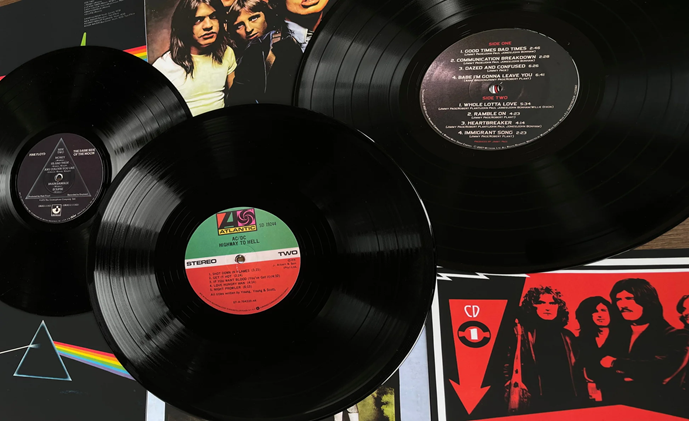
Vinyl gives album artwork room to make an impression. A small thumbnail on a phone cannot create quite the same visual impact as a full-size record sleeve.
For decades, musicians have used album covers to communicate ideas about their sound, personality, and creative direction. Photography, illustration, typography, and unusual packaging can all become part of the identity of a release.
Some records also contain lyric sheets, photographs, posters, booklets, artwork, and detailed liner notes. These elements encourage listeners to explore the creative world surrounding an album rather than experiencing individual tracks in isolation.
For collectors, packaging can even influence which version of an album they choose. Coloured vinyl, limited editions, anniversary releases, alternate artwork, and special pressings give physical releases an additional layer of individuality.
Vinyl Encourages Complete Album Listening
Streaming has made playlists and individual tracks central to everyday listening. While this offers enormous convenience, it can sometimes reduce an album to a collection of separate songs. Vinyl naturally encourages a different approach.
Once a record starts playing, listeners are more likely to let several tracks continue without interruption. This makes it easier to notice how songs connect, how the mood develops, and why an artist arranged the track list in a particular order.
This is especially meaningful for concept albums and records designed around a continuous musical narrative. The sequence of songs may reveal artistic decisions that become less obvious when tracks are played randomly.
Collecting Creates A Personal Musical History
A record collection often becomes more personal with time. Each purchase can represent a particular period, discovery, concert, friendship, or favourite artist.
Unlike an unlimited digital library, a physical collection requires choices. People decide which albums deserve shelf space and which editions are meaningful enough to own. As a result, even a relatively small collection can reveal a great deal about someone’s musical interests.
There is also an element of discovery involved. Collectors may search for older releases, unusual pressings, discontinued editions, or albums from genres they have only recently started exploring. The process itself becomes part of the hobby.
Record Stores Support Music Communities
Vinyl culture is also strongly connected with record stores. These spaces have historically offered more than shelves filled with albums. They provide environments where people can discover artists, discuss music, learn about releases, and meet others with similar interests.
Independent stores can introduce listeners to music outside mainstream recommendations. Someone searching for a familiar album may leave with a record from an artist they had never heard before.
This human element remains valuable in an era when much music discovery is shaped by automated recommendations.
Different Generations Can Connect Through Vinyl
Vinyl has the unusual ability to connect several generations of listeners. Older fans may associate records with albums they purchased when they were originally released. Younger collectors may discover those same records decades later while also buying contemporary releases on vinyl.
Artists continue to recognise this interest. Many new albums now receive vinyl editions alongside their digital releases, demonstrating that physical formats can coexist with modern listening habits rather than compete directly with them.
Parents can share old collections with children, while younger listeners can introduce older family members to contemporary artists releasing music on vinyl. Records can therefore become a bridge between different musical eras.
A Slower Way To Appreciate Music
Perhaps the greatest strength of vinyl is that it asks listeners to slow down. Digital platforms are designed around speed and convenience. Millions of songs are available almost instantly, which is incredibly useful but can also make music feel temporary. Vinyl introduces deliberate choices into the experience.
Choosing an album, examining its artwork, playing one side, and listening without constant skipping creates space for deeper attention.
That experience explains why vinyl records continue to hold a special place in music culture. They offer something that technology does not necessarily need to replace: a physical, personal, and immersive relationship with music. As listening habits continue to evolve, vinyl remains a reminder that sometimes the way we experience music can be just as meaningful as the music itself.